
Last updated on December 19, 2025
As part of the Fall 2025 CTLD Course Development Cycle, Health Care Management instructor Garrett Chism partnered with the instructional design team to enhance HCM 3600 – Health Information Systems, an upper-division course introducing students to the technologies, data practices, and leadership considerations that support modern healthcare delivery. This development cycle placed a strong emphasis on experiential learning, creating a more cohesive and applied learning environment centered around the highly engaging Riverbend Case Study. The course also integrates accessible, low-cost OER materials aligned with industry expectations, ensuring students have the resources they need to succeed.
Contents
Video Spotlight
[Length 4:41, CC Available]
About the Instructor
With more than 30 years of experience in health care, Garrett Chism brings a background in emergency response, hospital administration, and leadership expertise to his teaching. He began his career as an EMT and later worked as a paramedic before transitioning into administrative roles across both public and private healthcare systems. Garrett regularly presents at regional and national conferences on Performance Improvement in EMS and Trauma, sharing insights from decades of operational and leadership experience.

Garrett holds a Bachelor’s degree in Health Care Management and a Masters of Business Administration. Over the years, he has taught a wide range of courses in the Health Care Management program, including Jurisprudence, Strategy, the Internship course, and the Master of Health Administration Capstone. His current research focuses on interprofessional education in Emergency Medical Services and the emerging role of alternative response systems. His enthusiasm for healthcare leadership and real-world problem-solving directly informs the applied design of HCM 3600.
Accessible and Affordable Learning Materials
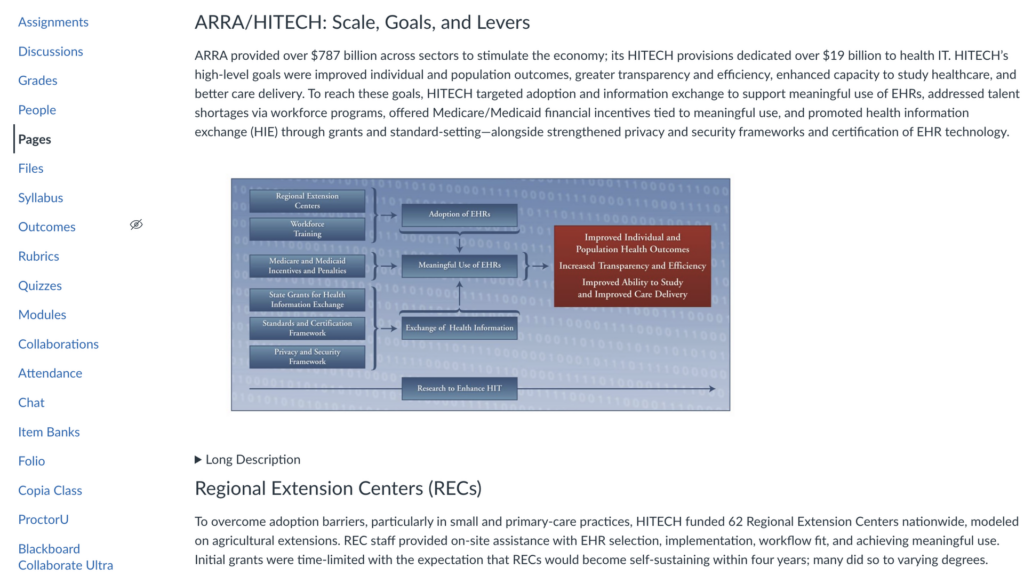
HCM 3600 uses an adapted, no-cost OER textbook developed from the Office of the National Coordinator for Health Information Technology (ONC) curriculum. The OER offers significant benefits: students avoid the financial burden of traditional textbooks, and all materials follow accessibility best practices, including alt text, screen-reader compatibility, consistent formatting, and clear visual structure. These improvements help ensure that every learner can engage with the content meaningfully, regardless of learning needs or access limitations.
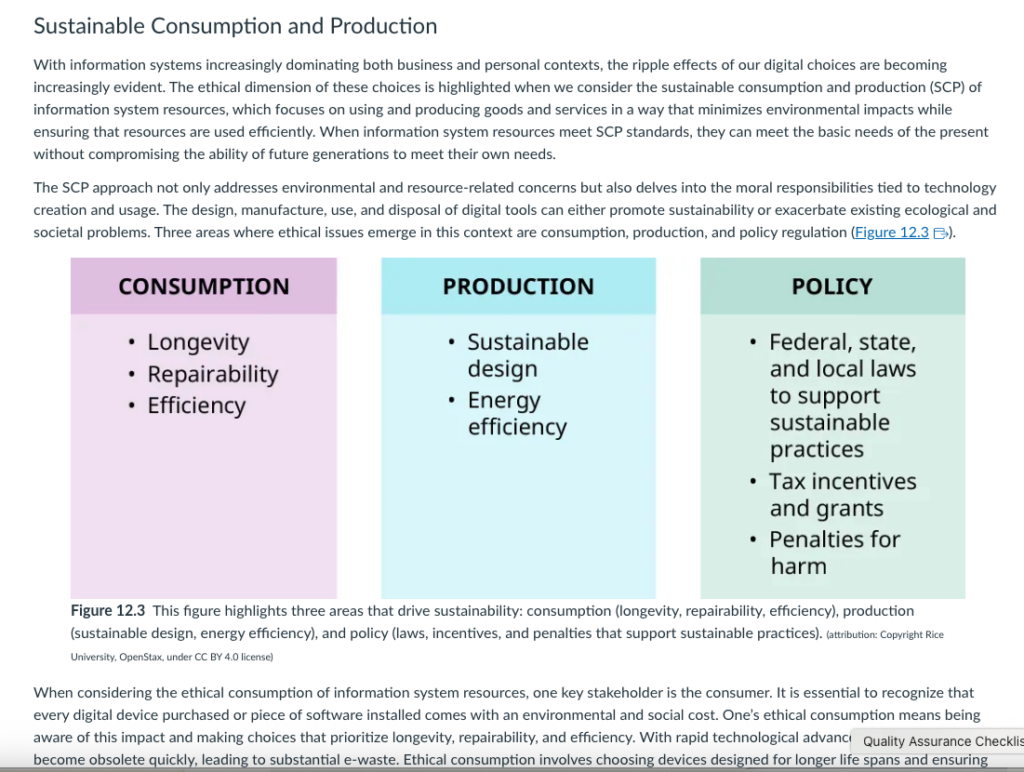
Experiential Learning in Action: The Riverbend Case Study
The signature feature of HCM 3600 is the Riverbend Case Study, a seven-assignment sequence that spans the entire semester. Rather than learning health IT concepts passively, students step into a series of realistic professional roles (analyst, governance consultant, workflow engineer, network architect, and executive advisor) as they help a fictional hospital system navigate the challenges of modernizing its electronic health record environment.
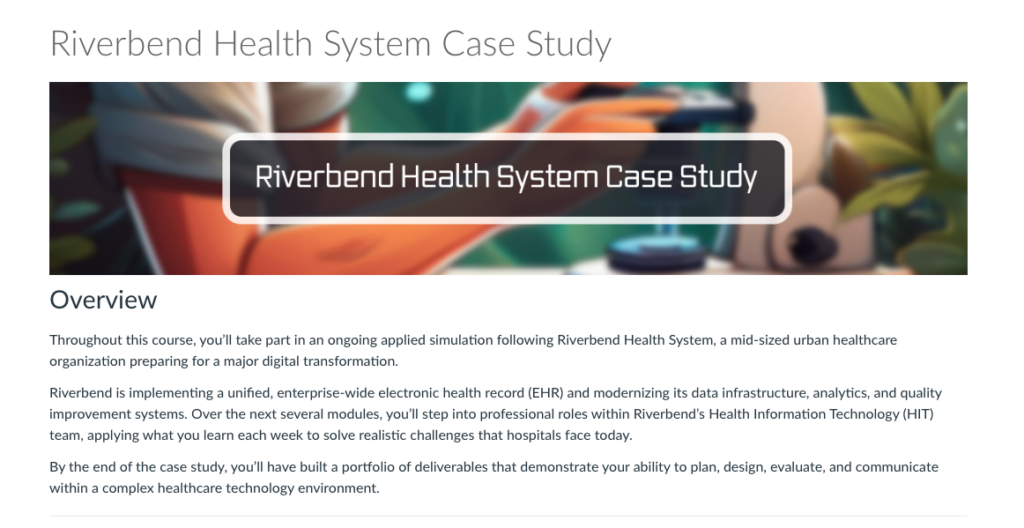
This extended project exemplifies Tier 1 of MSU Denver’s Experiential Learning for All framework. Students participate in guided, structured activities that introduce foundational Health Information Technology (HIT) skills while keeping outcomes predictable and manageable. Each stage provides scaffolded support as students apply course concepts to increasingly complex real-world scenarios. Early assignments focus on readiness assessments and policy analysis, while later stages involve designing implementation strategies, evaluating data governance, building workflow diagrams, and preparing leadership-level recommendations. Though tasks become more sophisticated over time, students work within a supportive structure that builds confidence and reinforces learning.

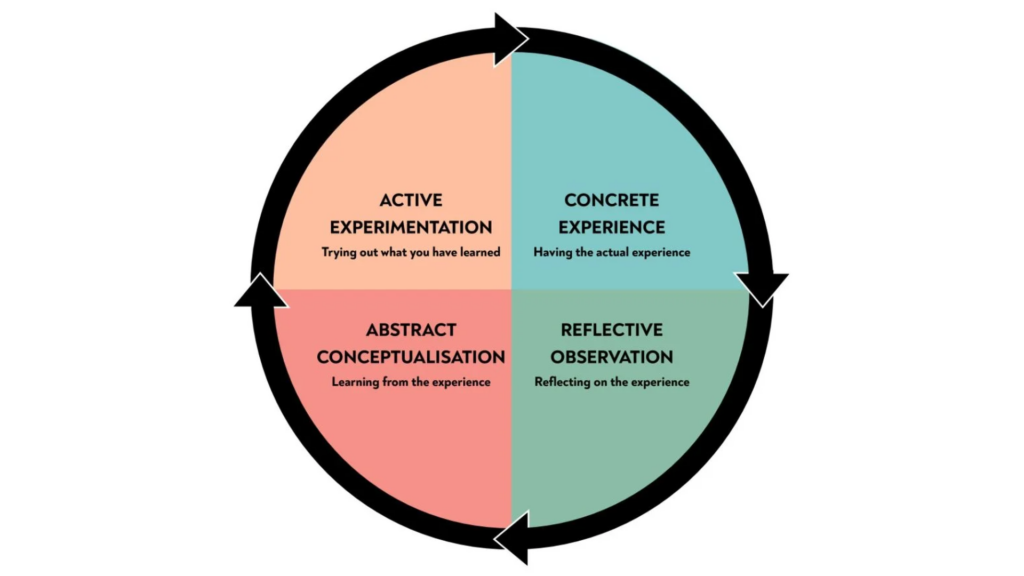
The Riverbend Case Study is intentionally designed to feel authentic: students practice interdisciplinary communication and grapple with realistic challenges common in health IT environments. The project’s design closely reflects Kolb’s experiential learning cycle and Merrill’s First Principles, giving students repeated opportunities to experience, reflect, conceptualize, and apply.
A Strong Foundation for Future HIT Leaders
HCM 3600 integrates accessible learning materials with a robust experiential learning sequence, giving students a guided, meaningful introduction to health information systems. The Riverbend Case Study fosters confidence, builds foundational HIT competencies, and helps students understand how technical, leadership, and analytical skills intersect within healthcare environments. Through thoughtful course design and collaboration with CTLD, HCM 3600 offers students an applied, supportive pathway into the world of healthcare technology.
Partnering for Continuous Improvement in Teaching and Learning
A significant factor in the success of this and similar projects is the support and funding from the Office of Online Learning (OOL), which has been instrumental in enhancing the quality of our online educational endeavors. OOL’s support and contributions have empowered faculty members to innovate and create a more enriching educational environment for all. Please visit the Office of Online Learning for more information about all that they are doing to help MSU Denver faculty members and students.
Want to get involved?
One way to find help with implementing student supports in your course is the CTLD Course Development Cycle. This is an intensive, but rewarding, process where an instructional designer will work with you over the course of several months to identify course objectives, develop learning activities, create a user-friendly course, record high-quality multimedia content, and much more.
For more information on the CTLD Development Cycle, as well as how to apply to join, please see our CTLD Course Development Cycle spotlight.
Have questions?
Want help on this or other teaching and learning topics? Please visit us for drop-in support (10am-3pm, M-F) or try one of our self-help tutorials.